

ABOUT LESLIE

Born to Garden
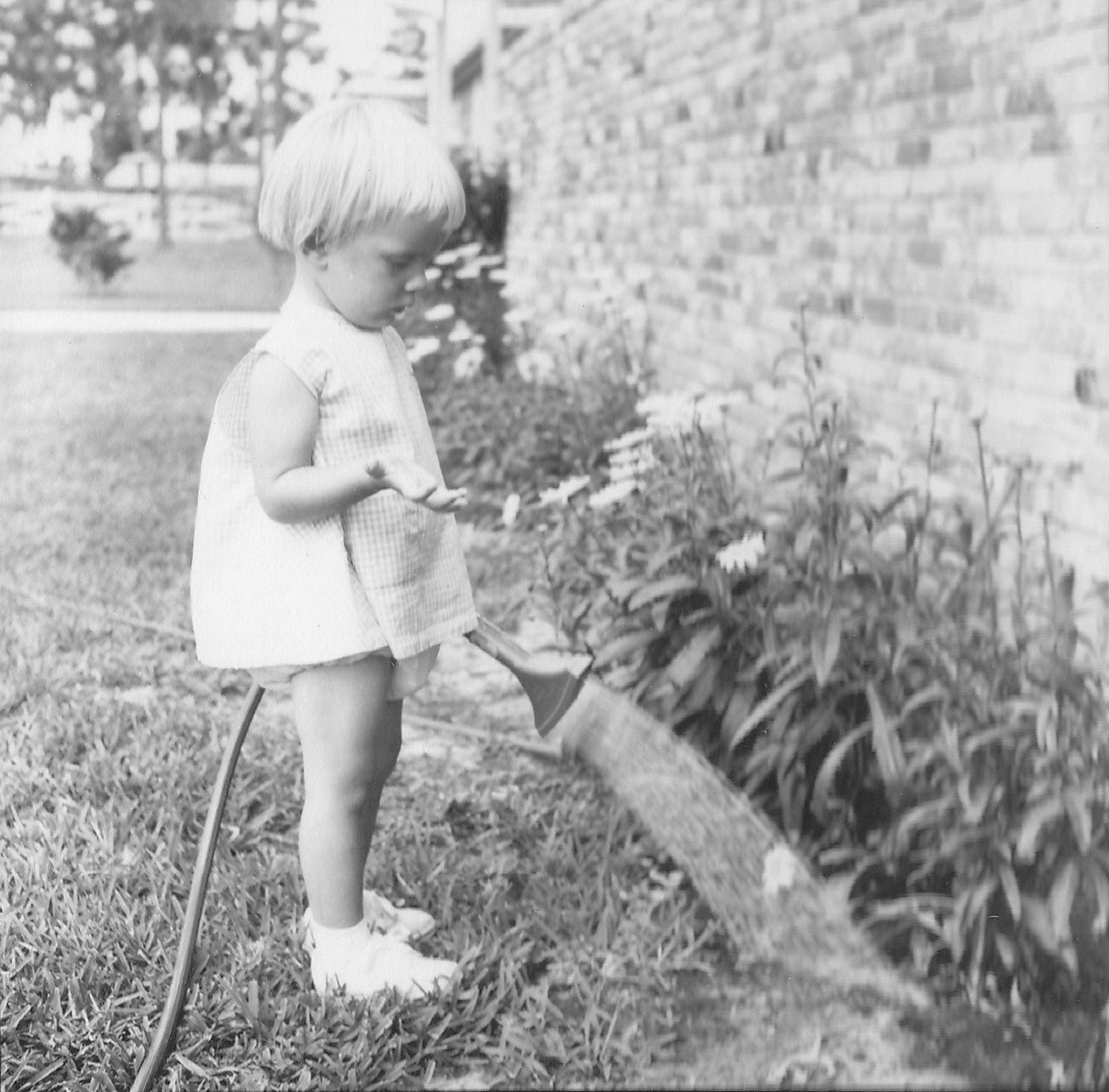
I’ve been gardening since I was a little girl starting with zinnias and mint in my own little garden plot. I have had the opportunity to experiment over the years and have a lot of experience with succulents, growing fruit and veggies, shade gardening and a lot of trial and error along the way. Through the years my gardening has evolved to promote water-wise and eco-friendly practices.


My Garden Philosophy
Living in coastal Southern California my focus is on water-wise and earth-friendly gardening. We need to always be thinking about water use in Southern California. We can grow an amazing diversity of plants in our perfect climate but it’s helpful to know what is best for our microclimate of coastal gardening. Gardens can be full of color and still be water-wise. When your garden is thriving birds and pollinators will arrive to be part of your garden!
My Credentials
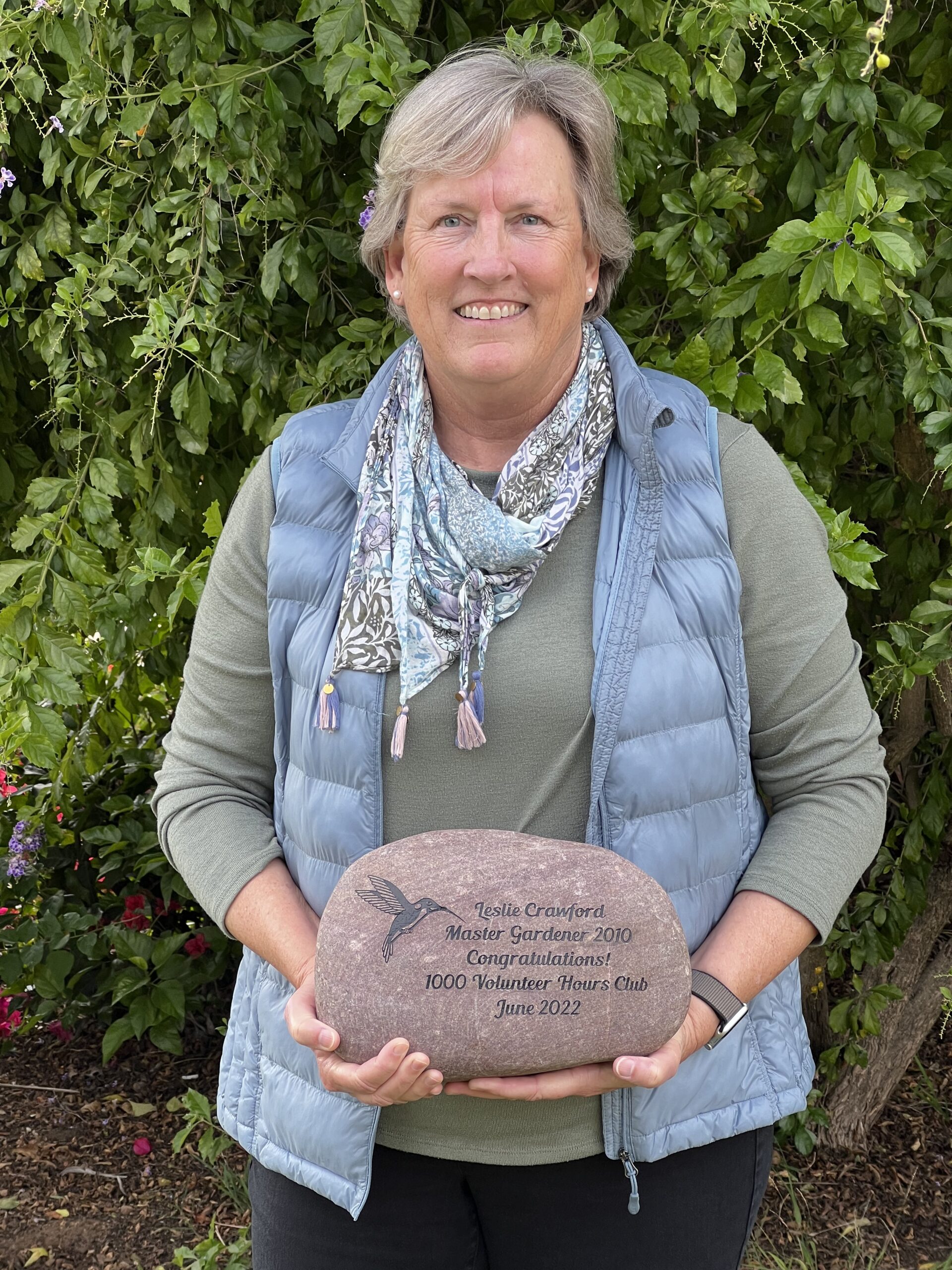
I have been a San Diego Master Gardener since 2010 with more than 1000 volunteer hours under my belt. (I’m holding my 1000 hour rock in the picture representing a lot of time educating the public!)
I have served as president of the Coronado Floral Association from 2008-2013 and I also had the privilege of chairing and co-chairing the renowned Coronado Flower Show for many years.
I look forward to sharing my knowledge and experience with you.
PRICING
This is a starting point to assess what you need in your garden. Do you have problem areas? Do you need help with a vision? I can help you get over the hump and back to enjoying your garden spaces.
Initial Consultation
- This is where we start your gardening conversation.
- A one hour consultation in your yard is the starting point for me to evaluate your garden spaces, discuss your wants and needs and give recommendations.
- After our consultation I will provide you with a PDF document summary of our meeting and some calls to action for your garden.
- If you need more than the initial consultation check out the two other service options I provide: Garden Coach or Continuous Care.
Would you prefer some one-on-one time with me in your garden? We will work together on a plant palette that works for your garden space. I’ll even help you shop for plants if you are feeling overwhelmed about where to start.
Garden Coaching
- This $75/hour plan is for the gardener who has already done the initial consultation and wants to keep the conversation going with regular guidance.
- If you have a vision for your garden but don’t know where to start, I’ll help you with a plan.
- If you’re starting from scratch, I’ll suggest plantings and garden styles to match your taste, needs and garden conditions. I’ll even shop the best nurseries with you to find appropriate and healthy plants.
This plan is a yearly commitment taking the guesswork out of garden maintenance with a monthly custom maintenance schedule for your garden as well as interesting and informative resources in your email inbox. I will also visit your garden 3 times during the year on a mutually agreed schedule to address any issues or questions you have.
Continuous Garden Care
- Once you’ve had your initial consultation we can keep ongoing support coming your way on a monthly basis.
- This $600 yearly contract includes:
- Monthly care guides personalized for your garden.
- Three 1/2 hour site visits to your garden during the year’s contract to check on progress and troubleshoot issues.
- A monthly email from me with other great garden information.